
AI has no ethics. Humans do. Or we should.
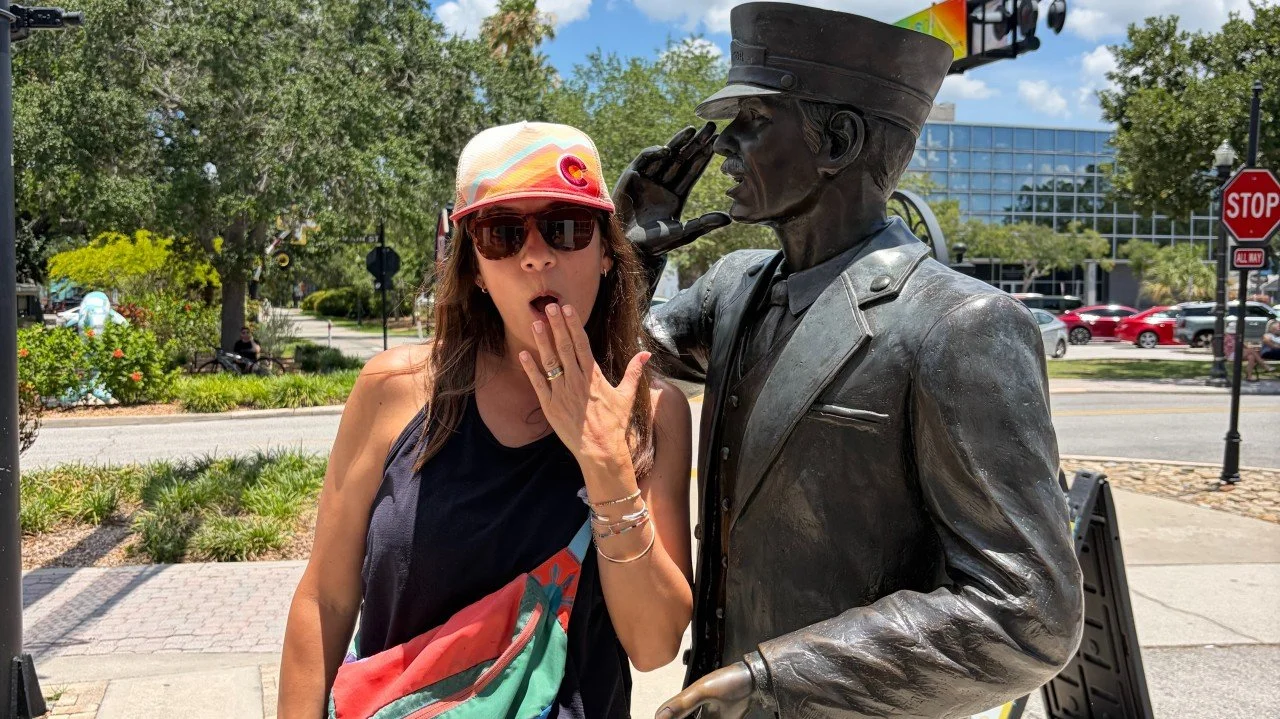
Dunedin 2026. Photo credit: MSC.
When I read my group chats, fear dominates the conversation.
Fear of being replaced. Anxiety about job instability. Stress over the destructive use of technology. While jokes and memes fly around in the groups, the headlines of financial newspapers confirm that the ground is shifting.
Recently, Jack Dorsey (founder of Block) announced a plan to cut 40% of his workforce—more than 4,000 employees—justifying it by saying AI can now handle those tasks. Some point out that the cuts are really a post-pandemic correction. Adding data, according to El Economista, 64% of companies in Mexico report a slowdown in junior hiring, while in Spain entry-level job openings have dropped by 35%.
Whether it's a correction for overhiring or the effects of AI, layoffs and hiring freezes are the order of the day. And fear creeps into every conversation because the threat feels close. Rightly or wrongly, AI is in the dock.
𝗙𝗲𝗮𝗿 𝗼𝗳 𝗮 𝘁𝗼𝗼𝗹?
I ask myself: how can we be afraid of a tool?
But then I answer: it's not fear of the technology—it's fear of what some people are choosing to do with it, or blaming it for. And that's the key point: it's about us.
As Christopher Mims warns in The Wall Street Journal, companies' blind rush to apply AI to any task can cause "more harm than good," comparing it to the historical mistakes of trying to use hydrogen bombs for peaceful purposes.
A knife isn't bad per se; it's a tool. The problem is the intention of the person holding it. The same AI that can detect cancer in early stages is also being used to justify mass layoffs and fatten short-term profit margins for a few.
And let me be clear: I'm not against profitability. I'm against pursuing it without a purpose that puts humanity above all else.
𝗧𝗵𝗲 𝗾𝘂𝗲𝘀𝘁𝗶𝗼𝗻𝘀 𝘁𝗵𝗮𝘁 𝗼𝗽𝗲𝗻 𝘂𝗽 𝗳𝗼𝗿 𝗺𝗲
Questions open up for me as a citizen of this world: Why replace people with machines? Who will buy what AI produces if the market collapses? What will happen to generations graduating from higher education unprepared to start businesses and with nowhere to be employed? What changes do educational and governmental systems need?
Perhaps the fear comes because we feel we have no control—that others make the decisions and we just receive the consequences. That may be true, but there's something we do control: what I can do here and now, how I use AI. With what intention.
𝗔𝗜 𝗵𝗮𝘀 𝗻𝗼 𝗲𝘁𝗵𝗶𝗰𝘀. 𝗛𝘂𝗺𝗮𝗻𝘀 𝗱𝗼. 𝗢𝗿 𝘄𝗲 𝘀𝗵𝗼𝘂𝗹𝗱.
Technology should never replace us in areas where our empathy, authenticity, and transparency are needed. As Aneesh Raman and Ryan Roslansky write in their book "Open to Work": AI won't determine the future of work; people will.
It's fine to use it where creativity and human judgment aren't required—but not to destroy us, nor to blame it for what we didn't manage well in the first place.
𝗪𝗵𝗮𝘁 𝗺𝗮𝗸𝗲𝘀 𝘂𝘀 𝗵𝘂𝗺𝗮𝗻
I don't have a crystal ball, and no one knows the truth about what will happen with AI—even if they assure you otherwise. We don't know what we'll be experiencing down the road. But what I am sure of is that the real challenge is to strengthen what makes us human. The 5Cs that Raman and Roslansky mention are an excellent compass: curiosity, compassion, courage, creativity, and communication. And asking ourselves: why do we do what we do? Where do we want to go?
𝗟𝗲𝘁'𝘀 𝗱𝗼 𝗼𝘂𝗿 𝗽𝗮𝗿𝘁
Let's raise our voices, generate ethical conversations, share our concerns, and propose limits in favor of humans.
And then, let's trust. One of my HOWs (my life philosophy) is: "Look up." Trust and let go of control over what I cannot change—but only after doing my part and acting with awareness on what is in my hands.
Instead of staying paralyzed by collective fear, ask yourself what you can do today, from your own corner of the world, so that AI serves what truly matters to us—our humanity.
✎ What conversations are you generating around the use of AI? How are you using AI in your life? With what intention?
